Teenagers today are growing up in a world where screens are not optional but unavoidable. Education, friendships, entertainment, and self-expression all flow through digital devices. While technology offers opportunity, it also creates constant pressure. Teen digital burnout is becoming a serious concern as prolonged exposure to screens overwhelms young minds. Persistent screen fatigue, combined with rising mental health challenges, is reshaping adolescence in ways previous generations never experienced.
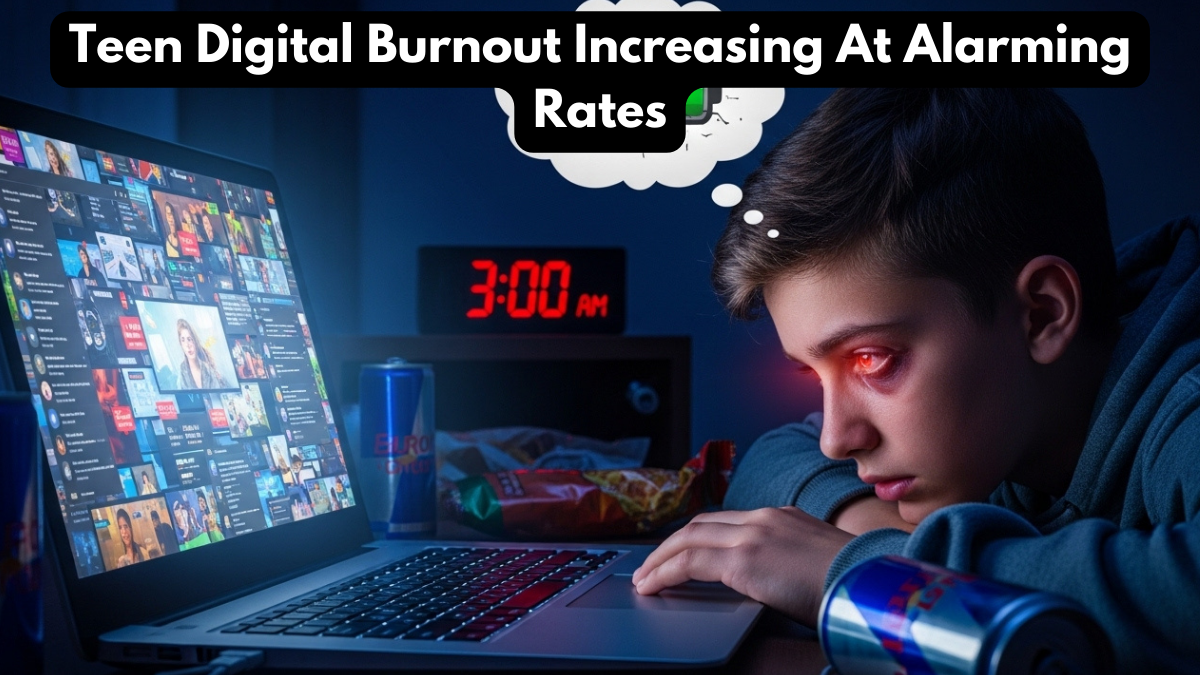
Understanding Teen Digital Burnout In Modern Life
Teen digital burnout occurs when continuous digital engagement leads to emotional exhaustion, reduced motivation, and cognitive overload. Unlike adults, teenagers are still developing emotional regulation and identity, making them especially vulnerable. School assignments, social validation, and peer interaction all happen through screens, leaving little room for recovery.
The always-on nature of digital life intensifies screen fatigue. Notifications, online classes, social media, and entertainment blur into one uninterrupted stream. Over time, this constant stimulation strains mental health, leading to irritability, disengagement, and chronic stress. As expectations rise, teens feel trapped between digital demands and limited coping mechanisms.
Screen Fatigue And Its Impact On Teen Mental Health
Screen fatigue goes beyond tired eyes or headaches. It affects attention span, sleep quality, and emotional resilience. Teens often spend eight to ten hours daily on screens, sometimes more. This level of exposure disrupts natural rhythms and contributes directly to teen digital burnout.
The connection between screen fatigue and mental health is clear:
- Increased anxiety and restlessness
- Difficulty concentrating
- Sleep disturbances
- Emotional numbness
- Reduced motivation
As screen fatigue accumulates, it amplifies underlying mental health issues. Teens may struggle to articulate these feelings, interpreting burnout as personal failure rather than environmental overload.
Social Pressure And The Role Of Digital Comparison
Social platforms intensify teen digital burnout by turning adolescence into a performance. Likes, comments, and views become metrics of worth. This constant comparison fuels anxiety and self-doubt, placing additional strain on mental health.
Digital environments rarely allow teens to disconnect without consequences. Fear of missing out keeps them engaged even when exhausted. This social pressure deepens screen fatigue, making rest feel risky rather than restorative. Over time, emotional exhaustion becomes normalized, masking the seriousness of teen digital burnout.
Educational Technology And Cognitive Overload
While digital tools support learning, excessive reliance contributes to teen digital burnout. Online assignments, virtual classrooms, and digital testing extend screen exposure beyond leisure. The boundary between learning and leisure disappears, intensifying screen fatigue.
Cognitive overload occurs when the brain processes information continuously without downtime. This overload weakens memory, creativity, and emotional regulation. For teenagers, whose brains are still developing, this strain significantly affects mental health and long-term well-being.
Comparing Healthy Digital Use And Burnout Patterns
A clear contrast highlights how digital habits influence outcomes.
| Aspect | Balanced Digital Use | Teen Digital Burnout |
|---|---|---|
| Screen time | Structured | Excessive |
| Emotional state | Stable | Irritable |
| Focus | Sustained | Fragmented |
| Mental health | Supported | Strained |
| Screen fatigue | Minimal | Chronic |
This comparison shows how unchecked digital exposure accelerates teen digital burnout and undermines mental health through persistent screen fatigue.
Warning Signs Of Teen Digital Burnout
Recognizing teen digital burnout early is essential. Warning signs are often subtle and mistaken for normal teenage behavior. Withdrawal, mood swings, and declining academic performance may signal deeper exhaustion.
Common indicators include:
- Loss of interest in activities
- Increased irritability
- Avoidance of offline interaction
- Sleep irregularities
- Persistent screen fatigue
When these patterns persist, they reflect more than stress. They signal burnout that requires attention to protect mental health.
The Role Of Parents And Schools In Prevention
Parents and educators play a crucial role in addressing teen digital burnout. Creating healthy boundaries around screen use helps reduce screen fatigue. Encouraging offline activities and unstructured time supports emotional recovery.
Schools can also rethink digital workloads. Blended learning models that include offline assignments reduce cognitive strain. Supporting mental health through open dialogue and realistic expectations helps teens develop resilience rather than exhaustion.
Long-Term Mental Health Consequences
If left unaddressed, teen digital burnout can have lasting effects. Chronic stress during adolescence increases the risk of anxiety disorders, depression, and disengagement later in life. Persistent screen fatigue conditions the brain for constant stimulation, reducing tolerance for stillness and focus.
Protecting mental health during teenage years is not about eliminating technology but about restoring balance. Without intervention, burnout becomes the default emotional state rather than an exception.
Building Healthier Digital Habits For Teens
Addressing teen digital burnout requires intentional habit changes. Digital literacy should include emotional awareness and boundary-setting, not just technical skills. Teens benefit from learning how to disconnect without guilt.
Strategies include:
- Screen-free hours daily
- Tech-free bedrooms
- Prioritizing sleep routines
- Encouraging offline hobbies
- Open conversations about mental health
These practices reduce screen fatigue and create space for recovery, protecting long-term well-being.
Conclusion
The rise of teen digital burnout reflects the growing tension between constant connectivity and developing minds. Persistent screen fatigue and rising mental health challenges signal the need for structural and cultural change. Teens do not lack resilience; they lack relief. By restoring balance, setting boundaries, and prioritizing mental well-being, society can ensure that technology supports growth rather than exhaustion. Addressing burnout today protects the emotional health of an entire generation.
FAQs
What is teen digital burnout?
Teen digital burnout is emotional and cognitive exhaustion caused by excessive and constant digital engagement.
How does screen fatigue affect mental health?
Screen fatigue disrupts focus, sleep, and emotional regulation, increasing stress and anxiety.
Why are teens more vulnerable to digital burnout?
Teen brains are still developing, making them more sensitive to overload and social pressure.
Can teen digital burnout be prevented?
Yes, with balanced screen use, healthy boundaries, and strong mental health support systems.
When should parents seek help for teen burnout?
If symptoms persist and affect daily functioning, professional mental health support is recommended.
Click here to learn more