Around the world, ancient structures stand as powerful reminders of humanity’s collective past. These magnificent creations allow us to understand how early civilizations lived, built, and evolved. Today, the global effort to protect ancient monuments has become more urgent than ever, as environmental threats, urban expansion, and neglect continue to endanger these irreplaceable treasures. Preserving them is essential not only for historical knowledge but also for safeguarding global cultural heritage, which connects people across different cultures, generations, and regions. As societies advance, the responsibility to protect these relics grows stronger, ensuring that future generations can continue learning from and appreciating our shared history.
Why Protecting Ancient Monuments Matters
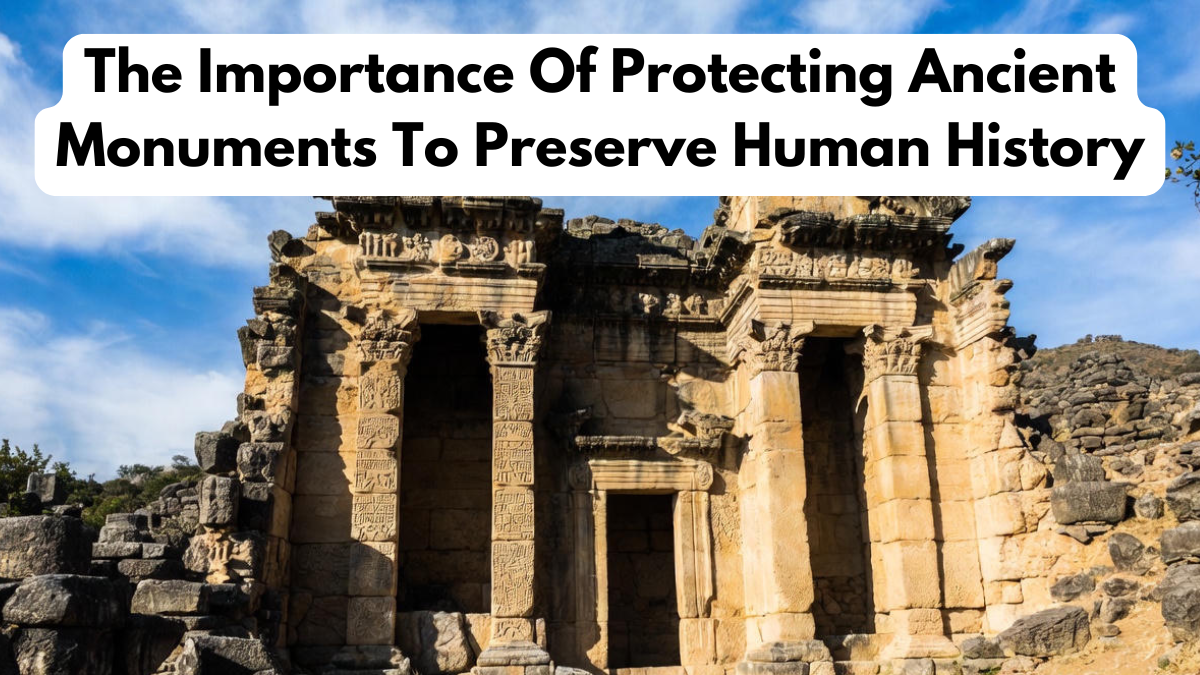
Ancient monuments play a central role in shaping our understanding of human civilization. They reflect architectural brilliance, scientific advancements, religious beliefs, and artistic expressions from centuries past. When societies commit to protect ancient monuments, they help preserve valuable insights into human evolution, creativity, and cultural identity. These monuments serve as educational tools, inspiring curiosity and offering lessons that continue to influence modern architecture, engineering, and design.
Moreover, historic structures are key components of global cultural heritage, representing the traditions and achievements of diverse communities. From the Pyramids of Egypt to the Great Wall of China and ancient temples in India, these sites embody the collective memory of humanity. Without proper preservation efforts, these monuments risk deterioration, losing their ability to educate, inspire, and unite people worldwide.
Major Threats Faced by Ancient Monuments Today
Despite their importance, many heritage sites face severe threats from environmental, human, and political factors. Climate change, in particular, poses a significant danger. Rising temperatures, acid rain, floods, and storms accelerate erosion and structural weakening. Even the strongest monuments degrade over time when exposed to harsh environments. This highlights the urgent need to protect ancient monuments before irreversible damage occurs.
Additionally, rapid urbanization and industrialization threaten nearby archaeological sites. Construction activities, pollution, and tourism-related wear can damage fragile structures. Conflicts and wars further increase risks, as cultural sites are sometimes intentionally targeted or destroyed. These factors significantly endanger global cultural heritage, making preservation efforts vital for historical continuity.
Below is a table showing major threats and their impacts:
| Threat Type | Example | Impact on Cultural Heritage |
|---|---|---|
| Climate Change | Floods, storms, temperature rise | Accelerates decay and erosion |
| Urban Development | Construction near heritage sites | Causes structural damage and instability |
| Pollution | Acid rain, toxins | Deteriorates stone, paint, and metal |
| Human Conflict | War, vandalism | Leads to destruction or loss of artifacts |
These challenges underline the urgent need for global cooperation to preserve and protect ancient monuments effectively.
The Role of Technology in Protecting Ancient Monuments
Modern innovations in science and technology provide powerful tools to support preservation. Advanced mapping systems, 3D scanning, and laser technologies help researchers analyze monument conditions and detect underlying damage. These tools allow conservationists to create accurate digital models for future reference. By understanding how structures age, experts can design targeted strategies to reinforce them. This integration of technology plays a significant role in safeguarding global cultural heritage.
Artificial intelligence and drones also assist in monitoring remote heritage sites. AI can predict structural threats, while drones capture high-resolution images to assess damage after natural disasters. Virtual reality helps recreate damaged monuments, allowing historians to digitally restore and study structures that no longer exist physically. Through technological advancement, the global effort to protect ancient monuments becomes more efficient, precise, and proactive.
Community and Government Involvement in Preservation
Preserving ancient monuments is not solely the responsibility of archaeologists or governments; it requires collective effort from local communities, global organizations, and individuals. Governments must enforce strict conservation laws and protect vulnerable sites from illegal construction, vandalism, and harmful development projects. Funding must be allocated to maintain and restore heritage structures, supporting long-term preservation.
Local communities play an essential role as caretakers of nearby historical sites. Their involvement strengthens cultural pride and encourages sustainable tourism. Educational programs that highlight the importance of cultural heritage can inspire citizens to participate actively in preservation efforts. International organizations like UNESCO also contribute by identifying and protecting world heritage sites. Collaborative projects help unify countries in their shared mission to protect ancient monuments and pass historical wisdom to future generations.
Tourism and its Double-Edged Impact on Heritage Sites
Tourism is one of the largest sources of revenue for many countries with famous historical landmarks. When managed responsibly, tourism supports preservation efforts by providing funds and increasing awareness. Visitors learn about global cultures and contribute financially to conservation projects. However, excessive tourism can become harmful. Large crowds, physical contact, and improper behavior may damage fragile surfaces. Overcommercialization also distorts the natural environment surrounding ancient sites.
This makes it essential to balance tourism with preservation. Responsible tourism programs—such as controlled visitor numbers, guided tours, and educational instructions—help minimize damage while promoting appreciation for cultural heritage. Sustainable tourism ensures that monuments remain intact while benefiting local economies.
The Future of Heritage Preservation and Global Responsibility
As the world continues to modernize, ensuring the survival of ancient structures becomes a shared global duty. The commitment to protect ancient monuments reflects humanity’s respect for its roots, achievements, and cultural diversity. With increasing environmental threats and rapid technological change, future preservation will rely on innovation, collaboration, and sustainable practices.
Efforts to protect cultural heritage now include digital preservation, environmentally friendly restoration materials, and advanced monitoring techniques. As awareness increases, more countries and communities are recognizing the lasting value of their historical treasures. By working together, the world can ensure that ancient monuments endure as symbols of human resilience, creativity, and unity.
Conclusion
The responsibility to protect ancient monuments goes far beyond architectural conservation; it represents a pledge to preserve human identity, history, and cultural achievements. These monuments connect us to our past, inspire future generations, and symbolize our collective journey as a civilization. Preserving global cultural heritage allows societies to learn from historical experiences while celebrating diversity and creativity. With technology, awareness, and strong preservation policies, the world can safeguard ancient monuments for centuries to come.
FAQs
Why is it important to protect ancient monuments?
Because they preserve human history, cultural identity, and valuable architectural knowledge.
How does cultural heritage benefit society?
It fosters unity, educates future generations, and promotes cultural understanding.
What threats do ancient monuments face today?
They face threats from climate change, pollution, urban development, and human conflict.
Can technology help protect ancient structures?
Yes, tools like 3D scanning, AI, drones, and digital modeling support modern preservation.
How can individuals help protect ancient monuments?
By supporting conservation programs, practicing responsible tourism, and spreading awareness.
Click here to learn more