Digital receipts are rapidly transforming how retailers and consumers document purchases in a world that increasingly values speed, convenience, and environmental responsibility. What was once a routine exchange of printed paper at checkout counters is now being replaced by electronic alternatives delivered via email, apps, or messaging platforms. This shift is closely tied to the rise of paperless retail, where businesses aim to streamline operations while reducing waste. As concerns about sustainability grow and retail transactions become more data-driven, digital receipts are emerging as a practical solution that benefits both businesses and customers.
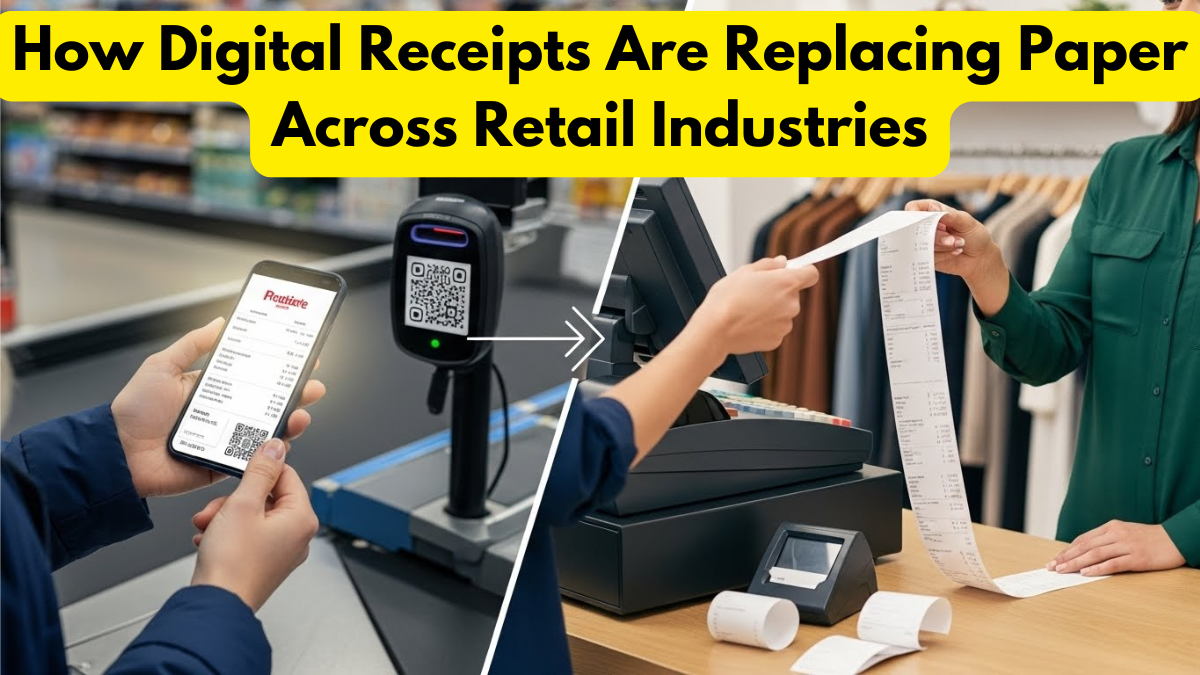
The Shift Toward Paperless Retail Systems
The movement toward paperless retail has been driven by advancements in point-of-sale technology and changing consumer expectations. Modern checkout systems seamlessly generate digital receipts, eliminating the need for printers, ink, and paper storage. This transition simplifies transactions and reduces operational costs, making it attractive for retailers of all sizes.
Consumers also play a role in accelerating adoption. Many shoppers prefer digital receipts for easy access and organization, especially when managing returns or tracking expenses. As retail environments evolve, paperless retail models are becoming standard practice rather than optional upgrades, reinforcing the growing relevance of digital receipts across industries.
Sustainability Benefits Of Digital Receipts
Environmental considerations are a major factor behind the adoption of digital receipts. Traditional paper receipts contribute to deforestation, chemical waste, and landfill accumulation. By contrast, electronic alternatives significantly reduce paper consumption, supporting broader sustainability goals. Retailers adopting paperless retail systems demonstrate commitment to reducing their environmental footprint.
Beyond waste reduction, digital receipts also lower energy use associated with printing and supply chain logistics. These efficiencies align with corporate sustainability initiatives and regulatory expectations. As consumers increasingly favor environmentally responsible brands, sustainability becomes both an ethical and competitive advantage, further encouraging the shift to digital receipts.
Improving Transaction Efficiency And Customer Experience
digital receipts enhance the efficiency of retail transactions by reducing checkout times and minimizing errors. Without the need to print and handle paper, transactions become smoother and faster. This efficiency is particularly valuable in high-volume retail environments where speed and accuracy are critical.
From a customer perspective, digital receipts offer convenience and accessibility. Receipts stored digitally are easy to retrieve for returns, warranties, or expense tracking. Integration with loyalty programs and mobile apps further enhances the shopping experience. As paperless retail continues to evolve, digital receipts are becoming a key component of seamless customer journeys.
Data, Insights, And Retail Innovation
The adoption of digital receipts opens new opportunities for data-driven innovation. Electronic receipts can capture valuable information about purchasing behavior, enabling retailers to analyze transactions more effectively. These insights support personalized marketing, inventory optimization, and improved customer engagement.
When managed responsibly, this data enhances operational efficiency while respecting privacy. Digital receipts also reduce reliance on physical record-keeping, aligning with paperless retail strategies. By leveraging digital data, retailers can innovate faster and adapt to changing market demands, reinforcing the strategic value of digital receipts.
Challenges And Consumer Concerns
Despite their benefits, digital receipts present challenges that retailers must address. Privacy and data security concerns are common, as customers may worry about how their information is stored and used. Clear communication and transparent policies are essential to building trust and encouraging adoption.
Accessibility is another consideration. Not all consumers have equal access to digital devices or prefer electronic communication. Successful paperless retail strategies often offer flexibility, allowing customers to choose between digital receipts and traditional options. Balancing innovation with inclusivity ensures that the transition supports diverse customer needs while advancing sustainability goals.
Adoption Across Retail Industries
The use of digital receipts extends beyond traditional retail stores. Restaurants, entertainment venues, transportation services, and healthcare providers are increasingly adopting paperless retail practices. These industries benefit from simplified transactions, reduced waste, and improved record management.
As adoption spreads, shared standards and technologies make implementation easier. Small businesses gain access to affordable solutions, while large enterprises integrate digital receipts into broader digital ecosystems. This widespread adoption underscores the versatility and scalability of digital receipts across sectors.
Key Advantages Of Digital Receipts
- Supports paperless retail initiatives
- Enhances sustainability by reducing paper waste
- Streamlines retail transactions
- Improves customer convenience and record-keeping
- Enables data-driven insights and innovation
Table: Paper Receipts vs Digital Receipts
| Aspect | Paper Receipts | Digital Receipts |
|---|---|---|
| Environmental Impact | High paper waste | Supports sustainability |
| Storage | Physical and bulky | Cloud-based |
| Transaction Speed | Slower checkout | Faster transactions |
| Accessibility | Easy but temporary | Long-term access |
| Retail Model | Traditional | Paperless retail |
Regulatory And Compliance Considerations
As digital receipts become more common, regulatory frameworks are adapting. Tax authorities and consumer protection agencies increasingly recognize electronic records as valid documentation. Retailers must ensure compliance with data protection laws and retention requirements when managing transactions digitally.
Proper implementation safeguards both businesses and consumers. Secure storage, encryption, and consent mechanisms support trust and legal compliance. When aligned with regulations, digital receipts strengthen operational resilience within paperless retail environments.
The Future Of Retail Receipts
The future of digital receipts points toward deeper integration with mobile wallets, accounting tools, and sustainability reporting systems. Automation and artificial intelligence may further enhance receipt management and analysis. As these innovations mature, digital receipts will continue to replace paper as the default option for retail transactions.
Consumer education and choice will remain essential. By offering flexible options and highlighting sustainability benefits, retailers can ensure widespread acceptance. The evolution of paperless retail depends on aligning technology with trust and user experience.
Conclusion
The rise of digital receipts reflects a broader transformation in retail toward efficiency, innovation, and environmental responsibility. By supporting paperless retail, improving transactions, and advancing sustainability, digital receipts deliver tangible benefits for businesses and consumers alike. While challenges remain, thoughtful implementation and inclusive strategies ensure that digital receipts continue to replace paper across retail industries, shaping a more sustainable and connected future.
FAQs
What are digital receipts?
digital receipts are electronic records of retail transactions delivered via email, apps, or messaging platforms.
How do digital receipts support sustainability?
They reduce paper waste and resource use, supporting sustainability goals.
Are digital receipts secure?
When properly managed, digital receipts use secure systems to protect transaction data.
Do digital receipts replace paper completely?
Many retailers still offer options, but paperless retail increasingly favors digital receipts.
Can digital receipts be used for returns?
Yes, digital receipts are widely accepted for returns, warranties, and expense tracking.
Click here to learn more