In many river-based communities around the world, access to modern libraries and educational resources remains limited due to geographical isolation and underdeveloped infrastructure. As digital transformation accelerates, the risk of declining literacy and weakened cultural engagement grows even stronger. However, the emergence of autonomous floating bookstores presents a revolutionary opportunity to reconnect people with stories, knowledge, and imagination. These mobile literary hubs travel along waterways, delivering books and hosting educational activities in places traditional services cannot reach. Through this accessible and innovative approach, floating bookstores could reignite reading culture and empower communities that have long lacked consistent access to learning materials.
The Concept Behind Autonomous Floating Bookstores
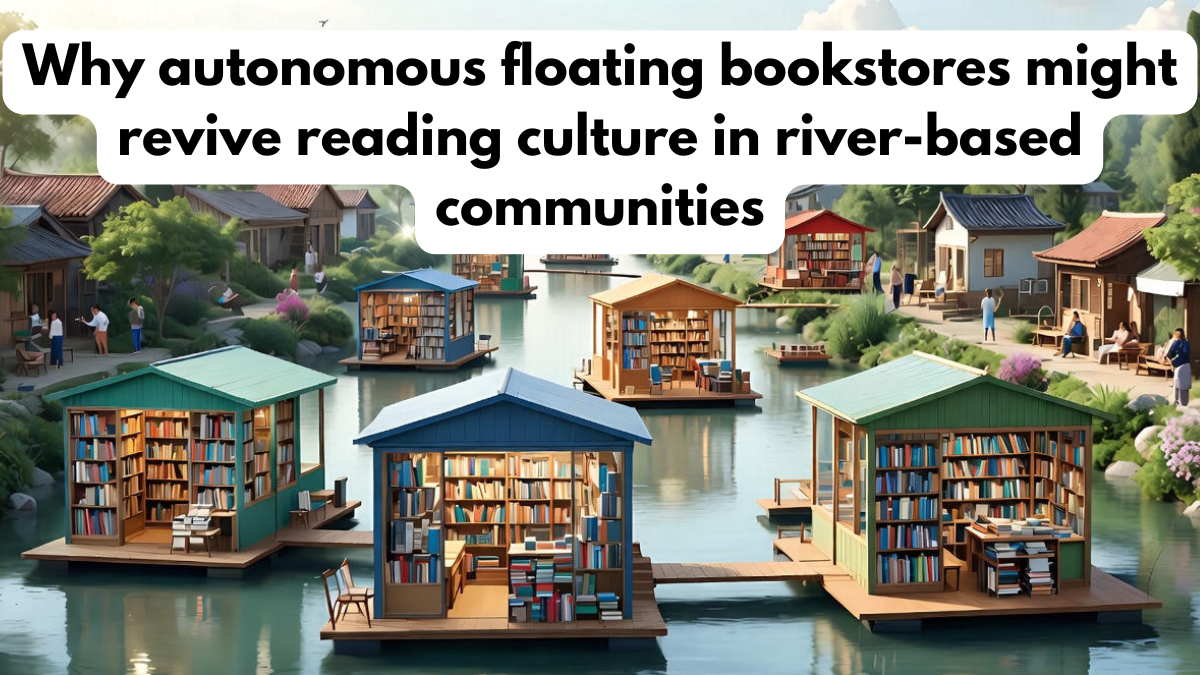
Autonomous floating bookstores combine marine engineering, renewable energy, and automated navigation to create self-sustaining mobile libraries. Designed to move along rivers, canals, and coastal routes, these vessels deliver books, digital resources, and community programming directly to local populations. Solar-powered systems, onboard storage units, and AI-driven navigation allow these bookstores to operate with minimal staff, reducing operational costs while increasing reach. By bringing literary content closer to remote regions, floating bookstores support reading culture in communities traditionally underserved by stationary libraries or digital connectivity.
Enhancing Literacy and Educational Access
One of the most important contributions of floating bookstores is their ability to provide consistent access to books in hard-to-reach regions. Many river communities rely on boats for transportation, making floating services especially practical and culturally relevant. Children, students, and adults can explore a wide range of fiction, non-fiction, and educational materials that nurture intellectual growth. This strengthens local reading culture, helping families revive daily reading habits and fostering curiosity in younger generations. Floating bookstores may also offer digital tablets, audiobooks, and interactive reading sessions to expand learning opportunities in diverse formats.
Building Community Engagement and Cultural Preservation
Beyond providing books, floating bookstores function as social and cultural spaces. They can host storytelling events, writing workshops, reading clubs, and cultural exhibitions that promote community bonding. In regions with rich oral traditions, these bookstores help bridge the gap between traditional storytelling and modern literature, reinforcing cultural identity. Such activities nourish and expand reading culture by emphasizing reading as a shared, enjoyable, and community-driven experience. They also empower local authors by offering platforms for book launches, author discussions, and cultural showcases, ensuring that regional voices remain visible and celebrated.
Table: Key Contributions of Floating Bookstores to Reading Culture
Below is a table outlining how floating bookstores positively influence reading culture in river-based communities:
| Community Need | Floating Bookstore Solution | Impact on Reading Culture |
|---|---|---|
| Limited access to books | Mobile libraries deliver books directly | Encourages regular reading habits |
| Lack of educational programs | Workshops and literacy events onboard | Strengthens community learning |
| Cultural preservation | Supports local authors and traditions | Enhances cultural connection |
| Isolation from services | Autonomous navigation reaches remote areas | Broadens access to information |
This table highlights the powerful role floating bookstores can play in rebuilding literacy and cultural engagement.
Environmental and Economic Sustainability
The design of autonomous floating bookstores often incorporates renewable energy and eco-friendly materials, making them sustainable additions to water-based communities. Solar panels can power navigation, lighting, and digital equipment, reducing reliance on fuel-based systems. Recycled or locally sourced materials may be used to construct the boats, lowering environmental impact. From an economic standpoint, floating bookstores can create part-time job opportunities for local residents as guides, educators, or maintenance staff. By stimulating reading culture, these vessels also support broader community development by increasing literacy rates, educational attainment, and access to information-driven opportunities.
Future Potential for Global Literacy Programs
As autonomous technology advances, floating bookstores could become part of global literacy networks, connecting communities across continents. They may integrate satellite internet access to create hybrid physical-digital reading environments. AI-powered recommendation systems could personalize book selections, making reading more engaging for individuals of all ages. Governments, NGOs, and educational institutions might collaborate to fund fleets of floating libraries that travel seasonal routes. In the long term, these innovations could redefine reading culture, making it more inclusive, adaptable, and resilient in the face of environmental or socioeconomic challenges.
Conclusion
Autonomous floating bookstores offer a creative and impactful strategy for reviving reading culture in river-based communities. By combining mobility, accessibility, and cultural engagement, these innovative vessels bring the joy of reading to places long underserved by traditional library systems. They empower individuals with knowledge, strengthen local traditions, and inspire lifelong learning. As the world searches for sustainable ways to support global literacy, floating bookstores stand out as a forward-thinking solution that could reshape education and cultural participation for generations to come.
FAQs
How do floating bookstores operate autonomously?
They use AI navigation, renewable energy systems, and automated control mechanisms to travel along waterways with minimal human intervention.
Why are floating bookstores important for reading culture?
They provide easy access to books, host community events, and promote daily reading habits in regions with limited educational resources.
Can floating bookstores support digital learning?
Yes, many include tablets, audiobooks, and digital reading programs to complement traditional books.
Are floating bookstores environmentally friendly?
Most designs incorporate solar power and eco-friendly materials, reducing environmental impact while supporting sustainable literacy initiatives.
Click here to learn more