Education in 2026 is no longer limited to one-size-fits-all classrooms. Technology has enabled a shift toward AI personalized learning, where lessons are tailored to each student’s strengths, weaknesses, and pace. Powered by adaptive learning systems, modern platforms analyze performance data in real time and adjust content accordingly. The rise of edtech AI has reshaped how students engage with material, making learning more interactive and efficient. As schools and online institutions adopt digital transformation strategies, AI personalized learning is becoming central to the future of education.
What Is AI Personalized Learning?
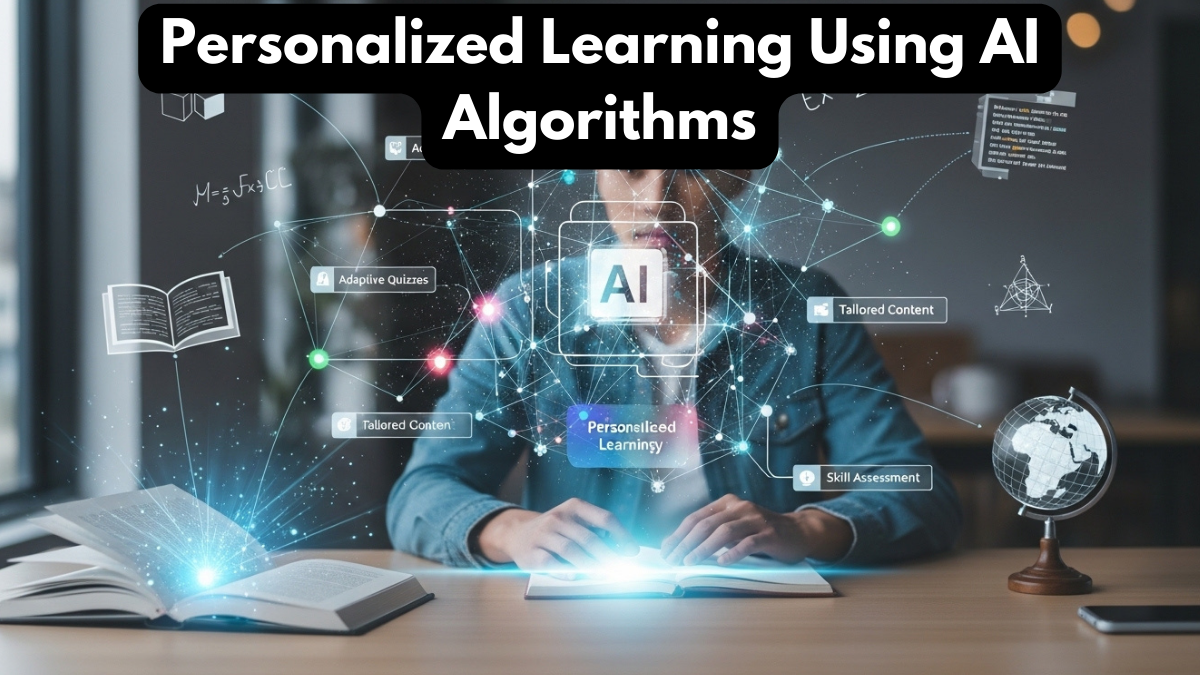
AI personalized learning refers to educational models that use artificial intelligence to customize learning experiences. Instead of delivering identical content to all students, adaptive learning systems adjust lessons based on progress and comprehension levels. This approach ensures that learners receive targeted support where needed.
The foundation of edtech AI lies in data analysis. Algorithms track quiz results, time spent on tasks, and behavioral patterns to refine learning paths. By integrating these insights, AI personalized learning platforms can recommend additional exercises, alternative explanations, or advanced challenges.
Key elements include:
- Real-time performance tracking
- Customized lesson sequencing
- Automated feedback mechanisms
- Predictive learning analytics
- Interactive multimedia resources
Through adaptive learning systems, students move at their own pace. The evolution of edtech AI ensures that learning gaps are identified early, enhancing overall academic success.
Benefits of Adaptive Learning Systems
The implementation of AI personalized learning offers measurable improvements in student engagement and retention. Traditional classrooms often struggle to address diverse learning speeds. However, adaptive learning systems provide individualized instruction that bridges this gap.
Major advantages include:
- Increased student motivation
- Faster mastery of complex topics
- Reduced dropout rates
- Better assessment accuracy
- Personalized feedback loops
Educators using edtech AI tools report improved outcomes because AI personalized learning adapts dynamically to individual needs. Instead of repeating entire lessons, adaptive learning systems focus only on areas requiring reinforcement.
Below is a comparison table highlighting traditional vs AI-driven learning:
| Feature | Traditional Learning | AI Personalized Learning |
|---|---|---|
| Instruction Style | One-size-fits-all | Customized per student |
| Feedback | Periodic | Instant feedback |
| Progress Tracking | Manual grading | Automated analytics |
| Engagement Level | Moderate | High interactivity |
| Learning Pace | Fixed | Flexible and adaptive |
This comparison demonstrates how AI personalized learning enhances flexibility and engagement compared to conventional methods. The integration of edtech AI into classrooms reflects the growing reliance on intelligent technologies.
Role of Edtech AI in Modern Classrooms
The expansion of AI personalized learning is closely linked to advancements in edtech AI. Schools now integrate intelligent tutoring systems that provide round-the-clock academic support. These systems operate through adaptive learning systems capable of understanding student behavior patterns.
Applications of edtech AI include:
- Virtual tutoring assistants
- AI-powered grading systems
- Predictive performance analytics
- Automated content recommendations
- Language translation tools
In hybrid and online learning environments, AI personalized learning ensures continuity and customization. Teachers can use data from adaptive learning systems to adjust classroom instruction accordingly. This collaborative approach between educators and edtech AI enhances overall effectiveness.
Moreover, institutions adopting AI personalized learning models report improved inclusivity. Students with learning differences benefit from tailored instruction delivered through adaptive learning systems.
Challenges and Ethical Considerations
Despite its advantages, AI personalized learning also presents challenges. Data privacy remains a primary concern, as adaptive learning systems collect extensive student information. Ensuring transparency and secure data handling is essential for responsible edtech AI implementation.
Common concerns include:
- Data security risks
- Algorithm bias
- Over-reliance on automation
- Reduced human interaction
- Implementation costs
To address these challenges, schools must adopt ethical guidelines for AI personalized learning deployment. Responsible use of adaptive learning systems requires balancing automation with teacher involvement. The future of edtech AI depends on maintaining trust and transparency.
Continuous professional development for educators also ensures that AI personalized learning complements rather than replaces traditional teaching expertise.
The Future of Personalized Education
Looking ahead, AI personalized learning is expected to become a global standard. As adaptive learning systems evolve, they will incorporate emotional recognition and real-time engagement analysis. The expansion of edtech AI will further refine predictive analytics and student performance modeling.
Emerging trends include:
- AI-driven career pathway recommendations
- Gamified adaptive learning modules
- Cross-platform integration with virtual reality
- Lifelong learning support systems
- Global access to customized education
The ongoing integration of AI personalized learning into mainstream education signals a long-term transformation. With advancements in adaptive learning systems, students worldwide gain access to tailored instruction regardless of geographic limitations.
Conclusion
The rise of AI personalized learning marks a significant shift in educational methodologies. By leveraging adaptive learning systems and innovative edtech AI, institutions can deliver customized instruction that enhances engagement and academic outcomes. While challenges such as data privacy and implementation costs exist, the benefits of personalized education outweigh the concerns. As 2026 progresses, AI personalized learning continues to redefine how knowledge is delivered, making education more inclusive, efficient, and adaptable to individual needs.
FAQs
What is AI personalized learning?
AI personalized learning is an educational approach that uses artificial intelligence to tailor lessons and content to individual student needs.
How do adaptive learning systems work?
Adaptive learning systems analyze student performance data and adjust lesson difficulty and sequencing accordingly.
Is edtech AI safe for students?
Edtech AI can be safe when institutions implement strong data privacy and security measures.
Can AI personalized learning replace teachers?
AI personalized learning supports teachers by providing insights and automation, but it does not replace the human role in education.
Click here to learn more