As awareness of environmental challenges continues to grow, many people are experiencing emotional stress related to climate change and ecological uncertainty. This emerging psychological concern has led to the development of eco anxiety therapy, a supportive approach designed to help individuals process fears about the future of the planet. Unlike traditional therapy methods that focus solely on personal experiences, these programs address broader environmental worries while promoting emotional balance. The rise of conversations around climate mental health has encouraged therapists, educators, and wellness experts to create strategies that strengthen emotional resilience in the face of ongoing global change.
People from all age groups are affected by eco-related stress, including students, professionals, and families. By combining mindfulness, education, and community support, eco anxiety therapy aims to transform fear into meaningful action. As mental health awareness expands, these approaches are becoming an essential part of modern climate mental health discussions, helping individuals maintain hope and psychological strength.
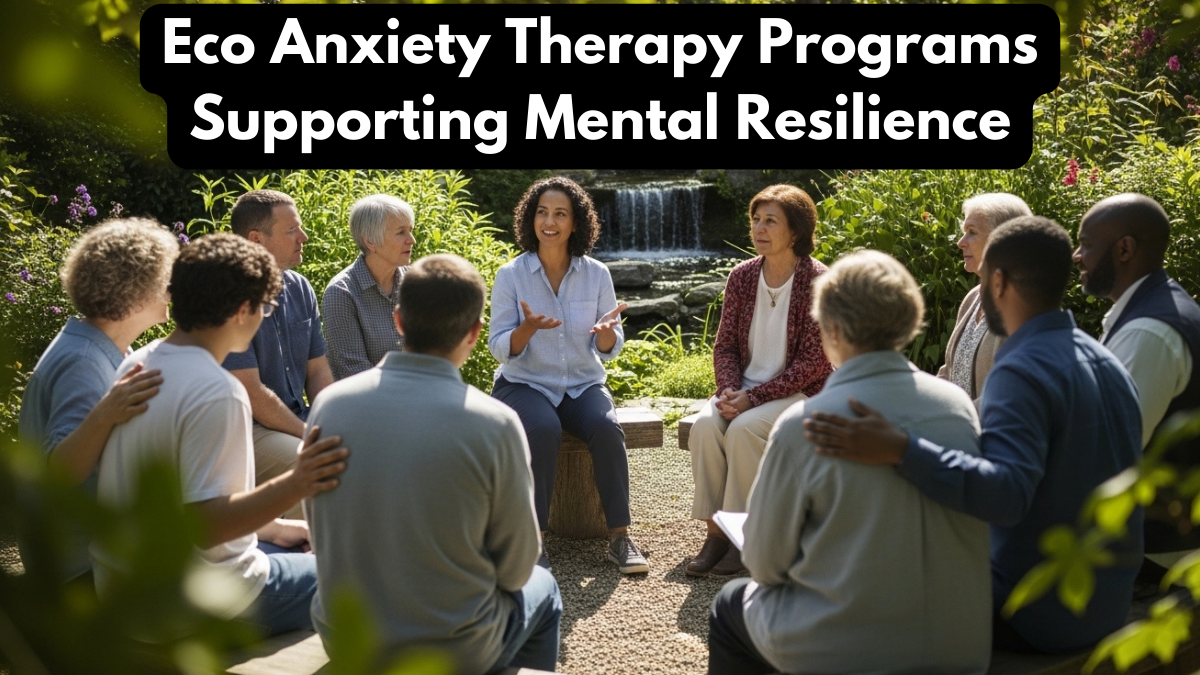
Understanding Eco Anxiety and Its Impact on Resilience
Eco anxiety refers to persistent worry or distress about environmental issues such as climate change, biodiversity loss, or extreme weather events. While concern for the planet can motivate positive action, excessive stress may affect sleep, productivity, and emotional wellbeing. Eco anxiety therapy focuses on helping individuals acknowledge their feelings without becoming overwhelmed, encouraging healthier coping strategies that build long-term resilience.
Common emotional responses addressed in eco anxiety therapy include:
• Feelings of helplessness related to environmental news
• Anxiety about future generations and global stability
• Stress caused by climate-related disasters
• Difficulty balancing activism with personal wellbeing
By recognizing the connection between environmental awareness and climate mental health, therapists can guide individuals toward constructive action. Strengthening emotional resilience allows people to remain engaged in environmental causes while maintaining a positive outlook.
Techniques Used in Eco Anxiety Therapy Programs
Modern eco anxiety therapy programs combine psychological tools with educational resources to create a holistic approach to mental wellbeing. Therapists often integrate mindfulness practices, cognitive behavioral strategies, and community discussions that encourage emotional processing. These techniques aim to reduce overwhelming feelings while supporting a healthier relationship with environmental activism and climate mental health awareness.
Key therapeutic approaches include:
• Mindfulness exercises that promote emotional grounding
• Journaling practices focused on environmental gratitude and hope
• Group discussions that foster shared experiences and resilience
• Action-oriented planning that encourages sustainable lifestyle changes
By integrating these strategies, eco anxiety therapy helps individuals shift from fear-driven responses to proactive engagement. This balanced perspective strengthens climate mental health while empowering people to contribute positively to environmental solutions.
Comparing Traditional Therapy With Eco Anxiety Therapy
While traditional mental health approaches address general anxiety or stress, eco anxiety therapy specifically focuses on environmental concerns and collective experiences. The table below highlights key differences between these approaches and how they contribute to emotional resilience and climate mental health.
| Therapy Approach | Primary Focus | Emotional Support Style | Role in Climate Mental Health | Resilience Building |
|---|---|---|---|---|
| Traditional Counseling | Personal life challenges | Individual therapy sessions | Limited environmental focus | General coping strategies |
| Stress Management Programs | Workplace or lifestyle stress | Practical techniques | Minimal climate context | Short-term relief |
| Eco Anxiety Therapy | Environmental concerns | Community-based and individual support | Strong emphasis on climate mental health | Long-term emotional resilience |
| Mindfulness Workshops | Present-moment awareness | Meditation and relaxation | Indirect support | Moderate resilience development |
This comparison shows how eco anxiety therapy fills a unique gap in modern mental health care. By addressing environmental worries directly, it helps individuals build emotional strength while maintaining a healthy connection to global issues.
Challenges and Opportunities in Climate Mental Health Support
Despite its growing popularity, eco anxiety therapy faces several challenges. Many people still hesitate to discuss environmental stress openly, and some communities lack access to specialized mental health services. Expanding awareness about climate mental health is essential for ensuring that individuals feel supported and understood.
Common challenges include:
• Limited availability of trained therapists specializing in eco anxiety
• Social stigma around discussing environmental stress
• Difficulty balancing activism with personal emotional needs
• Need for culturally inclusive approaches that strengthen resilience globally
However, these challenges also create opportunities for innovation. Online platforms, community workshops, and educational campaigns are making eco anxiety therapy more accessible to diverse audiences. By integrating environmental awareness into mainstream mental health practices, professionals can support stronger climate mental health outcomes for individuals and communities alike.
The Future of Eco Anxiety Therapy and Emotional Resilience
As environmental discussions continue to shape global conversations, eco anxiety therapy is expected to evolve alongside advancements in psychology and digital wellness tools. Virtual therapy sessions, AI-driven mental health apps, and collaborative community programs are expanding access to resources that support emotional resilience. These innovations aim to help individuals navigate environmental challenges while maintaining a balanced and hopeful perspective.
Emerging trends influencing the future of climate mental health include:
• Digital platforms offering guided eco anxiety therapy sessions
• Educational initiatives that combine environmental science with mental health awareness
• Community-led resilience programs encouraging collective action
• Integration of nature-based therapy practices that promote emotional recovery
With these developments, eco anxiety therapy is becoming an essential component of modern wellness strategies. By fostering stronger emotional resilience, individuals can remain engaged in environmental efforts without compromising their mental wellbeing.
Conclusion
The growing focus on eco anxiety therapy highlights the importance of addressing emotional responses to environmental change in a supportive and constructive way. By combining mindfulness, education, and community engagement, these programs strengthen climate mental health while encouraging long-term resilience. As awareness continues to expand, eco anxiety therapy offers a powerful framework for transforming fear into action, helping individuals maintain hope and emotional balance in an ever-changing world.
FAQs
What is eco anxiety therapy?
eco anxiety therapy is a mental health approach that helps individuals cope with stress or worry related to environmental issues and climate change.
How does eco anxiety therapy improve resilience?
It teaches coping strategies, mindfulness practices, and emotional awareness techniques that strengthen psychological resilience.
Who can benefit from climate mental health programs?
Anyone experiencing stress or concern about environmental challenges can benefit from climate mental health support through eco anxiety therapy.
Is eco anxiety therapy only for activists?
No, eco anxiety therapy is designed for anyone affected by environmental concerns, helping individuals build emotional balance and long-term resilience.
Click here to learn more