The modern workplace is undergoing a significant cultural shift as organizations recognize the importance of preventive mental health for long-term success. In 2026, mental health is no longer treated as a reactive concern addressed only after burnout or crisis occurs. Instead, companies are proactively investing in systems, policies, and programs designed to protect emotional resilience before problems escalate. This shift is driven by rising stress levels, remote and hybrid work models, and increasing awareness of how mental health directly impacts productivity and retention.
The growing focus on preventive mental health aligns closely with evolving workplace wellness strategies. Employers are realizing that supporting mental health is not just a moral responsibility but also a business imperative. When organizations prioritize early intervention and emotional support, employees are more engaged, motivated, and capable of sustaining high performance. Preventive approaches help normalize mental health conversations and create healthier, more resilient work cultures.
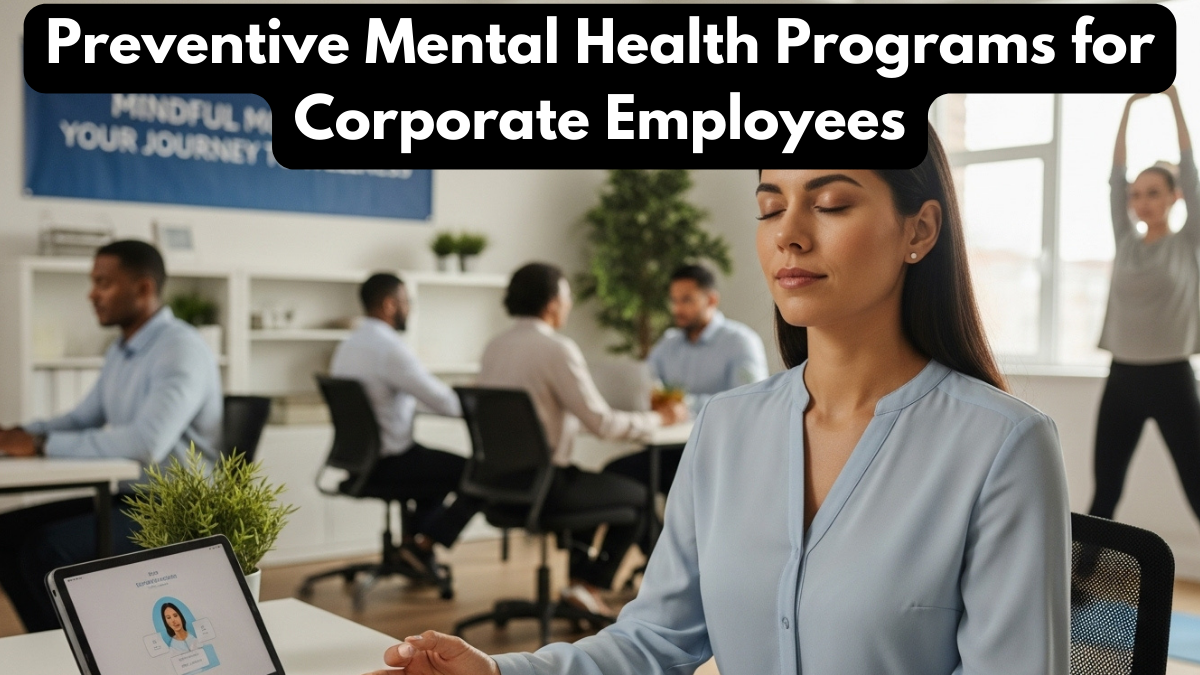
How Preventive Mental Health Programs Work in Corporate Settings
Corporate preventive mental health programs are designed to identify risks early and provide ongoing support rather than one-time interventions. These programs often combine education, resources, and proactive monitoring to help employees manage stress before it leads to burnout or disengagement. Unlike traditional employee assistance programs that are often underused, preventive models integrate mental health support into daily work life.
Key components of effective preventive programs include stress management training, mental health screenings, access to counseling, and leadership education. Workplace wellness initiatives may also incorporate digital tools that track workload patterns and employee sentiment. By embedding mental health awareness into organizational processes, companies create environments where employee wellbeing is supported consistently rather than reactively.
Role of Workplace Wellness in Preventive Mental Health
Workplace wellness plays a central role in advancing preventive mental health strategies. Wellness programs that focus solely on physical health are expanding to include emotional, psychological, and social dimensions. This holistic approach recognizes that mental health is influenced by workload, leadership style, communication, and organizational culture.
Workplace wellness initiatives that support preventive mental health often include:
- Flexible work arrangements
- Mindfulness and stress reduction programs
- Mental health awareness training for managers
- Regular check-ins and feedback mechanisms
- Access to digital mental health platforms
By integrating these practices, organizations reinforce a culture where employee wellbeing is valued and protected. As awareness grows, workplace wellness is becoming a strategic tool rather than a peripheral benefit.
Benefits of Preventive Mental Health for Employee Wellbeing
The impact of preventive mental health programs on employee wellbeing is both measurable and long-lasting. Employees who feel supported are more likely to remain engaged, collaborate effectively, and contribute positively to organizational goals. Preventive initiatives reduce absenteeism, presenteeism, and turnover by addressing stressors before they become overwhelming.
The table below highlights the difference between reactive and preventive mental health approaches:
| Focus Area | Reactive Approach | Preventive Mental Health |
|---|---|---|
| Intervention Timing | After burnout | Before issues escalate |
| Employee Engagement | Inconsistent | Sustained and proactive |
| Productivity | Often disrupted | More stable and resilient |
| Employee Wellbeing | Crisis-driven | Continuously supported |
These outcomes demonstrate why organizations investing in preventive mental health are better positioned to build resilient teams. Supporting employee wellbeing early creates a positive feedback loop that benefits both individuals and the organization as a whole.
Challenges and Considerations in Implementing Preventive Mental Health Programs
Despite growing interest, implementing preventive mental health initiatives comes with challenges. Stigma around mental health can still prevent employees from fully engaging with available resources. Leaders must actively promote psychological safety and lead by example to encourage participation. Without visible support from management, even well-designed programs may fail to achieve their goals.
Another challenge involves measuring impact. Mental health outcomes are often less tangible than traditional performance metrics. Organizations must develop thoughtful evaluation methods that respect privacy while assessing effectiveness. Aligning preventive mental health strategies with broader workplace wellness goals ensures consistency and long-term success.
Conclusion
As work environments continue to evolve, preventive mental health is emerging as a cornerstone of sustainable organizational success. By prioritizing early support, proactive education, and holistic workplace wellness strategies, companies can protect employee wellbeing while enhancing productivity and retention. In 2026 and beyond, organizations that invest in preventive mental health will not only build healthier workplaces but also foster cultures where people can thrive emotionally, professionally, and collectively.
FAQ
What is preventive mental health?
Preventive mental health focuses on addressing emotional and psychological challenges early, before they develop into serious issues.
How does workplace wellness support preventive mental health?
Workplace wellness programs promote healthy habits, reduce stressors, and create supportive environments that protect mental health.
Why is preventive mental health important for employee wellbeing?
Early support reduces burnout, improves engagement, and helps employees maintain long-term emotional resilience.
Are preventive mental health programs expensive to implement?
Many initiatives are scalable and cost-effective, especially when compared to the costs of burnout and turnover.
Can preventive mental health improve workplace performance?
Yes, employees who feel mentally supported are more productive, collaborative, and committed to their roles.
Click here to learn more