The rise of subscription fatigue is reshaping how consumers interact with modern digital services. Over the past decade, subscription-based models have become the default pricing strategy for streaming platforms, software tools, news outlets, and even physical products. While subscriptions initially promised convenience and affordability, the overwhelming number of recurring payments has led many users to feel financially and mentally drained. As a result, subscription fatigue is now influencing spending decisions and altering long-term consumer habits.
Today’s consumers are becoming more selective about where their money goes. Instead of automatically subscribing to every new service, people are reassessing value, usage, and necessity. This growing awareness has caused a noticeable shift, with users increasingly choosing to cancel subscriptions that no longer align with their needs. The impact of subscription fatigue extends beyond individual finances, forcing companies offering digital services to rethink pricing, retention, and engagement strategies.
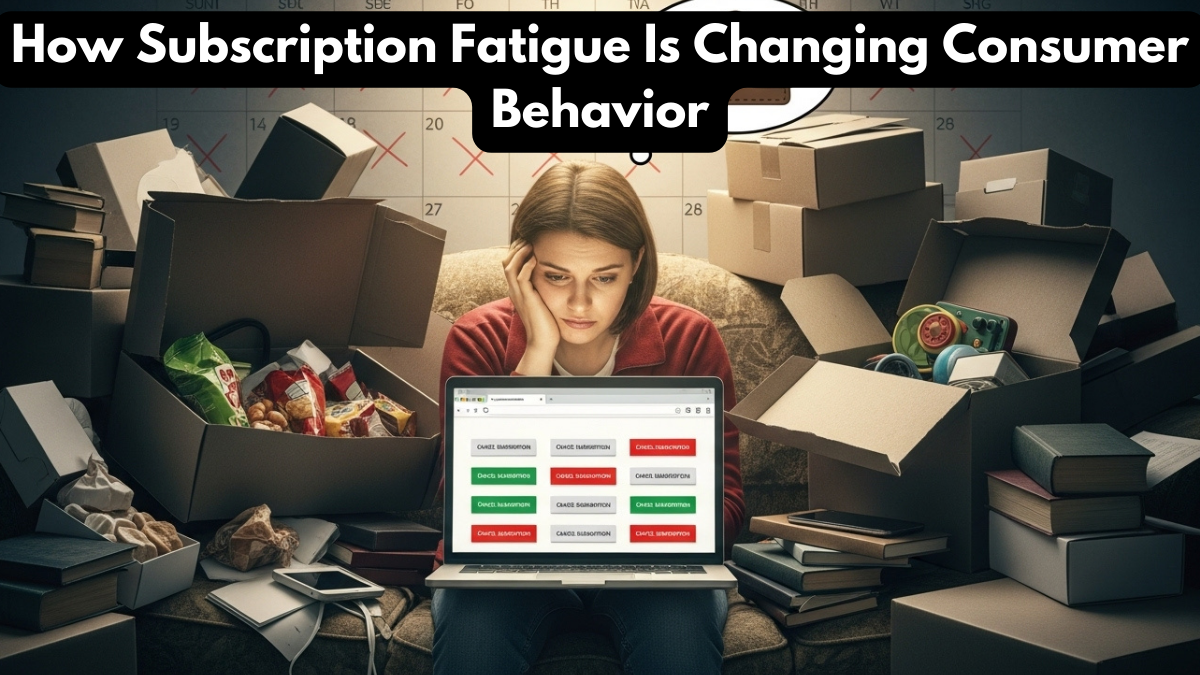
Changing Consumer Habits in the Subscription Economy
Evolving consumer habits are at the core of the subscription fatigue phenomenon. Consumers now actively track recurring charges, compare alternatives, and prioritize flexibility. The days of passive subscription management are fading, replaced by a more conscious approach to spending. This behavioral shift reflects growing financial awareness and a desire for control in an increasingly subscription-driven world.
As subscription fatigue intensifies, many consumers prefer pay-as-you-go or one-time purchase models. This preference challenges the dominance of recurring billing in digital services. Brands that fail to adapt to changing consumer habits risk losing loyalty, as users are quick to cancel subscriptions that feel redundant or underutilized. Transparency and perceived value have become decisive factors in retention.
Rise in Cancel Subscriptions Behavior
The trend to cancel subscriptions has become a defining response to subscription fatigue. Consumers regularly audit their monthly expenses, identifying services that deliver minimal value. Streaming platforms, fitness apps, and software tools are often the first to be reconsidered. This proactive behavior signals a shift in power, with users taking control over how they engage with digital services.
The ease of cancellation has also influenced consumer habits. Platforms that make it difficult to cancel subscriptions often face backlash and reputational damage. In contrast, companies that offer flexible plans and easy cancellation options build trust, even in the face of subscription fatigue. This dynamic is forcing businesses to compete not just on content or features, but on fairness and user respect.
Impact of Subscription Fatigue on Digital Services Providers
For providers of digital services, subscription fatigue presents both a challenge and an opportunity. High churn rates indicate dissatisfaction, but they also offer insights into customer expectations. Companies must now focus on delivering consistent value rather than relying on inertia to maintain subscriptions. Personalization, usage-based pricing, and modular plans are emerging as responses to shifting consumer habits.
The saturation of subscription offerings has made differentiation essential. Services that fail to demonstrate ongoing relevance are more likely to see users cancel subscriptions. To combat subscription fatigue, providers are experimenting with hybrid models that combine subscriptions with one-time purchases. These adaptations reflect a broader rethinking of how digital services are packaged and delivered.
Economic and Psychological Effects of Subscription Fatigue
The effects of subscription fatigue extend beyond finances, influencing psychological well-being and decision-making. Constant reminders of recurring charges can create stress and dissatisfaction, prompting consumers to simplify their financial lives. By reducing the number of subscriptions, individuals regain a sense of control and clarity, positively impacting overall consumer habits.
Below is a table comparing consumer behavior before and after subscription fatigue sets in:
| Aspect | Before Subscription Fatigue | After Subscription Fatigue |
|---|---|---|
| Subscription Volume | High | Reduced |
| Spending Awareness | Low | High |
| Cancel Subscriptions Frequency | Rare | Regular |
| Consumer Habits | Passive | Intentional |
| Engagement With Digital Services | Automatic | Value-driven |
This shift highlights how subscription fatigue is driving more mindful consumption.
Conclusion
The growing impact of subscription fatigue is fundamentally changing how people engage with digital services. As consumers reassess value, adjust consumer habits, and increasingly cancel subscriptions, businesses must evolve to remain relevant. Transparency, flexibility, and genuine value delivery are now essential in retaining customers. As the subscription economy matures, addressing subscription fatigue will be critical for building sustainable, trust-based relationships between consumers and service providers.
FAQs
What is subscription fatigue?
Subscription fatigue occurs when consumers feel overwhelmed by too many recurring subscriptions and ongoing payments.
Why are people canceling subscriptions more often?
People cancel subscriptions to reduce costs, regain control, and focus on services that truly add value.
How does subscription fatigue affect consumer habits?
Subscription fatigue encourages more intentional spending and increased awareness of recurring expenses.
How can digital services reduce subscription fatigue?
Digital services can reduce fatigue by offering flexible pricing, clear value, and easy cancellation options.
Click here to learn more