Digital escapism is becoming a defining force in how people consume entertainment, especially as daily life grows more stressful, uncertain, and digitally saturated. Economic pressures, constant news cycles, and work-life boundary erosion have pushed many individuals to seek relief through immersive digital experiences. Digital escapism allows users to momentarily disconnect from real-world concerns and enter controlled, engaging environments that offer comfort, distraction, or emotional regulation.
Unlike traditional leisure activities, digital escapism is available on demand and tailored to individual preferences. Whether through gaming, long-form video, or interactive platforms, people are increasingly turning to screens not just for amusement but for psychological relief. This shift is deeply connected to evolving streaming habits, expanding virtual worlds, and growing awareness of how entertainment choices interact with human psychology.
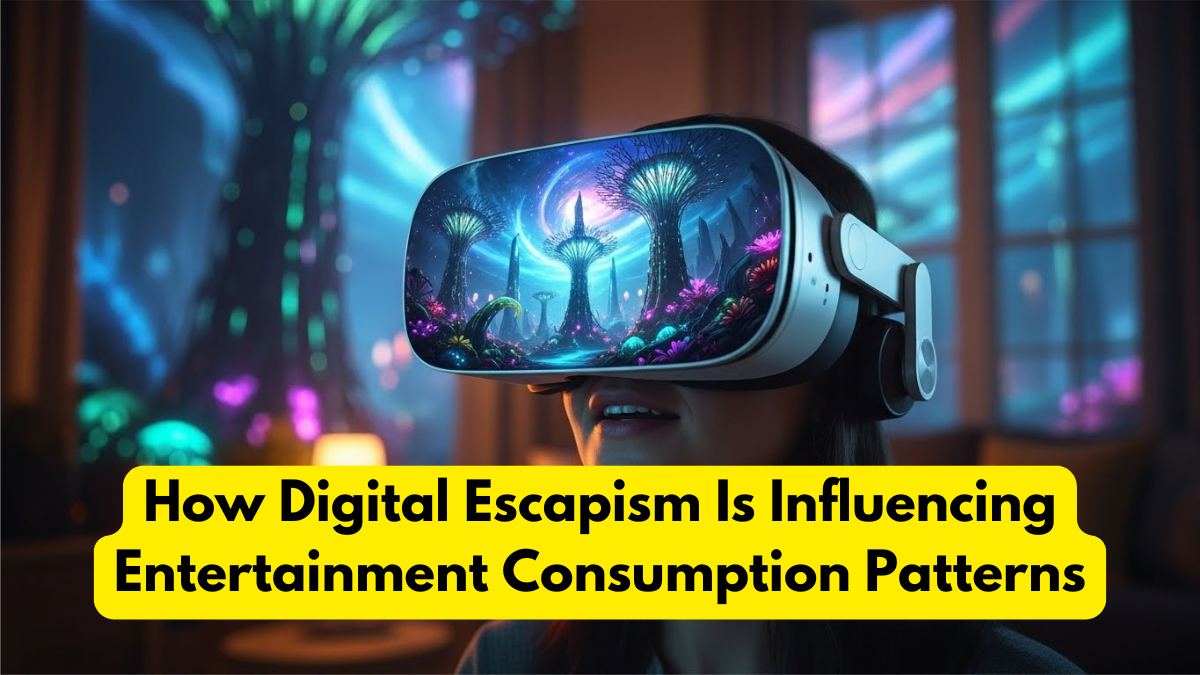
Virtual worlds as immersive escape environments
One of the strongest drivers of digital escapism is the rise of virtual worlds that offer immersive, participatory experiences. Online games, metaverse platforms, and social virtual spaces allow users to assume alternate identities, explore new environments, and interact socially without physical constraints. These virtual worlds provide a sense of agency and belonging that may be harder to achieve offline.
From a psychological perspective, virtual worlds fulfill needs for control, achievement, and social connection. Within these environments, users can progress, build, and succeed in ways that feel measurable and rewarding. As digital escapism becomes more normalized, virtual worlds are no longer niche hobbies but central entertainment ecosystems influencing broader consumption patterns.
Streaming habits and passive forms of escape
While interactive platforms dominate one side of digital escapism, passive consumption through evolving streaming habits plays an equally significant role. Binge-watching series, looping short-form videos, and background streaming provide low-effort ways to disengage mentally. These streaming habits are particularly appealing during periods of emotional fatigue or cognitive overload.
Algorithms reinforce this behavior by continuously recommending content aligned with viewer preferences, making escape seamless and endless. Over time, streaming habits shift from intentional viewing to habitual use, reinforcing digital escapism as a default coping mechanism. This pattern highlights the intersection between entertainment design and psychology, where ease and repetition deepen engagement.
Psychology behind the need for digital escape
Understanding digital escapism requires examining its psychological foundations. Humans naturally seek relief from stress, anxiety, and uncertainty, and digital environments provide predictable rewards and emotional safety. Entertainment platforms are designed to minimize friction, offering immediate gratification that aligns with core principles of behavioral psychology.
However, reliance on digital escapism can create feedback loops. When entertainment becomes the primary coping strategy, individuals may avoid addressing underlying stressors. While virtual worlds and streaming habits offer temporary relief, overuse can reduce tolerance for boredom or discomfort. This duality makes digital escapism both a coping tool and a potential dependency.
Key psychological drivers of digital escapism include:
- Stress relief and emotional regulation
- Desire for control and predictability
- Social connection through virtual worlds
- Habit formation driven by streaming habits
- Reward mechanisms rooted in psychology
The table below compares active and passive forms of digital escapism:
| Aspect | Active Escapism | Passive Escapism |
|---|---|---|
| Primary format | Virtual worlds, gaming | Streaming platforms |
| User effort | High engagement | Low effort |
| Psychological reward | Achievement and agency | Comfort and distraction |
| Streaming habits role | Minimal | Central |
| Risk of overuse | Moderate | High |
Industry response and content design strategies
Entertainment companies are actively designing content to meet the demand for digital escapism. Longer series, persistent virtual worlds, and autoplay features encourage prolonged engagement. These strategies are informed by behavioral psychology, optimizing content delivery to retain attention and emotional investment.
At the same time, platforms are experimenting with features that promote healthier consumption, such as usage reminders and curated breaks. As awareness grows around the psychological impact of streaming habits, the industry faces pressure to balance engagement with responsibility. The future of entertainment may depend on how well platforms address the emotional needs driving digital escapism.
Conclusion
In conclusion, digital escapism is significantly influencing entertainment consumption patterns by reshaping how and why people engage with digital content. Through immersive virtual worlds, evolving streaming habits, and deeply rooted psychological drivers, entertainment has become both a refuge and a routine. While digital escapism offers valuable emotional relief, understanding its connection to psychology is essential for maintaining balance. As digital entertainment continues to evolve, mindful engagement will be key to ensuring escapism remains supportive rather than overwhelming.
FAQs
What is digital escapism?
Digital escapism is the use of digital entertainment to temporarily escape stress, boredom, or emotional discomfort.
How do virtual worlds support digital escapism?
Virtual worlds provide immersive environments that offer control, social connection, and emotional relief.
Why are streaming habits linked to escapism?
Streaming habits enable passive, continuous consumption that makes mental disengagement easy and accessible.
Is digital escapism unhealthy?
In moderation it can be beneficial, but excessive reliance may affect emotional resilience and balance.
How does psychology influence digital escapism?
Behavioral psychology explains how rewards, habits, and emotional needs drive repeated engagement with digital content.
Click here to learn more